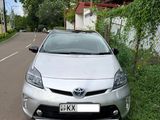
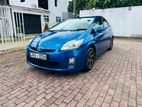
Toyota Prius Sri Lanka – Full Review, Specs & Buyer Guide
The Toyota Prius is one of the most popular hybrid cars in the Sri Lankan market, known for its exceptional fuel economy, low running costs, and long-term reliability. For buyers looking for an economical daily driver, the Toyota Prius Sri Lanka market continues to be a top choice due to its proven hybrid system and practical interior.
This detailed review covers the Toyota Prius Sri Lanka specifications, fuel consumption, features, performance, common issues, and market prices to help buyers make an informed decision.
Key Specifications of Toyota Prius
- Engine: 1.8L Hybrid (Petrol + Electric Motor)
- Transmission: e-CVT Automatic
- Power Output: ~121 hp (combined)
- Fuel Type: Petrol + Hybrid Battery
- Fuel Economy: 22–28 km/l (Sri Lankan conditions)
- Seating Capacity: 5
- Drive Type: FWD
- Battery Type: NiMH or Lithium-ion (depending on variant)
- Boot Space: 446 litres (approx.)
Performance & Driving Experience
When evaluating the Toyota Prius Sri Lanka driving experience, the car is best suited for city commuting and long-distance fuel-efficient travel. The hybrid system delivers smooth acceleration, while the e-CVT gearbox ensures quiet operation. Though not designed for high-speed performance, the Prius offers refined and stable handling for everyday use. Regenerative braking also enhances efficiency during Colombo’s stop-and-go traffic.
Fuel Economy in Real Sri Lankan Conditions
One of the strongest selling points of the Toyota Prius Sri Lanka market is its outstanding fuel consumption. In real-world Sri Lankan conditions—city traffic, mixed driving, and expressways—owners typically get:
- City Driving: 20–25 km/l
- Long Distance / Highway: 25–28 km/l
- Heavy Traffic (Colombo): 18–22 km/l
With proper hybrid battery health, the Prius remains one of the most economical cars available.
Interior & Comfort
The Toyota Prius offers a modern, comfortable cabin with good-quality materials and an ergonomic layout. The digital instrument cluster and centre-mounted controls make the layout unique. Ample legroom, supportive seats, and generous cargo space make it ideal for families and daily commuters. Popular features include climate control, rear camera, touchscreen infotainment, push start, and multiple storage compartments.
Safety Features
- Multiple Airbags (driver, passenger, curtain)
- ABS with EBD
- Vehicle Stability Control (VSC)
- Traction Control
- Rear Camera & Parking Sensors
- Advanced driver assistance (in newer models)
Popular Toyota Prius Trims in Sri Lanka
- Prius S
- Prius G
- Prius L
- Prius S Touring Selection
- Prius G Touring
- PHEV Prius Plug-in Hybrid (limited availability)
Common Issues / Things Buyers Should Check
- Hybrid Battery Health: Check battery condition, age, and warranty status.
- Inverter System: Ensure there are no overheating or warning light issues.
- Suspension Wear: Older Prius models may develop rear suspension noise.
- Brake Actuator: Some models may have actuator wear causing ABS lights.
- Dashboard Panel Wear: Common in high-mileage units.
- Service History: Verify Toyota Lanka or reputable hybrid specialist maintenance.
Market Price of Toyota Prius in Sri Lanka
Prices vary based on year, mileage, trim level, battery condition, and overall maintenance.
- Reconditioned (Recent Models): LKR 9.5 million – 14 million
- Used (Older Models): LKR 4 million – 9 million
The Toyota Prius Sri Lanka market value remains strong due to high demand for fuel-efficient hybrid cars.
Parts Availability & Maintenance Costs
Spare parts for the Toyota Prius are widely available in Sri Lanka through Toyota Lanka, hybrid specialists, and local suppliers. Common parts such as suspension components, brake pads, and sensors are affordable. Hybrid battery replacements range between LKR 250,000 to 500,000 depending on type and condition. Routine maintenance costs are relatively low compared to other hybrids.
Pros & Cons of Toyota Prius
Pros | Cons |
- Excellent fuel economy
- Low maintenance costs
- Comfortable and spacious interior
- High reliability and resale value
- Ideal for daily city driving
| - Not suited for high-performance driving
- Hybrid battery replacement cost
- Limited ground clearance
- Sensitive to poor-quality fuel or irregular servicing
|
Disclaimer: While we strive for accuracy, the above information may not be fully error-free.